Full-stack
development.
Full-stack development means building every layer of a web application — the user interface, the API and business logic, the database and the deployment. I build full-stack apps with React or Next.js on the frontend, Python (FastAPI or Django) or Node.js on the backend, and PostgreSQL for data.
I build complete web applications end to end — the interface your users see, the APIs and data model behind it, and the deployment that keeps it running. One engineer owning the whole stack means fewer handoffs and faster decisions.
What I build
Customer-facing web apps
Dashboards, portals and product UIs in React or Next.js with fast, accessible interfaces.
APIs and business logic
Python (FastAPI / Django) or Node.js services with clear contracts and validation.
Data layers
PostgreSQL schemas designed around your real workflows, with migrations and indexing.
Auth, roles and admin
Sign-in, role-based access and internal admin panels for your team.
Problems I solve
- A prototype that works in demos but breaks under real users
- Frontend and backend built by different people who never agreed on the data model
- No admin tooling, so every change needs a developer
- Slow pages and fragile deployments
Technologies I use
- React
- Next.js
- TypeScript
- Tailwind CSS
- Python
- FastAPI
- Django
- Node.js
- PostgreSQL
- Supabase
- Docker
- Vercel
- Render
- AWS
Development process
- 01
Discovery
- 02
Architecture
- 03
Build
- 04
Test
- 05
Deploy
- 06
Iterate
Relevant projects
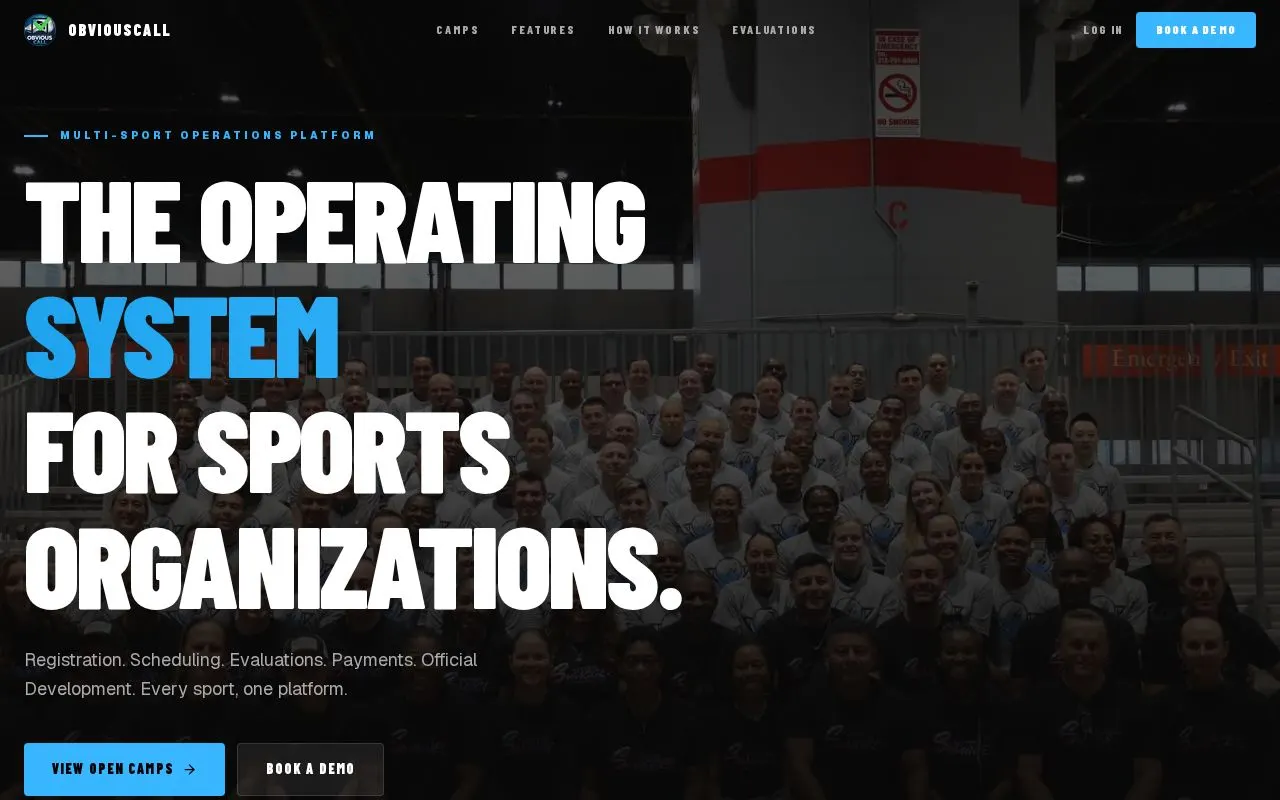
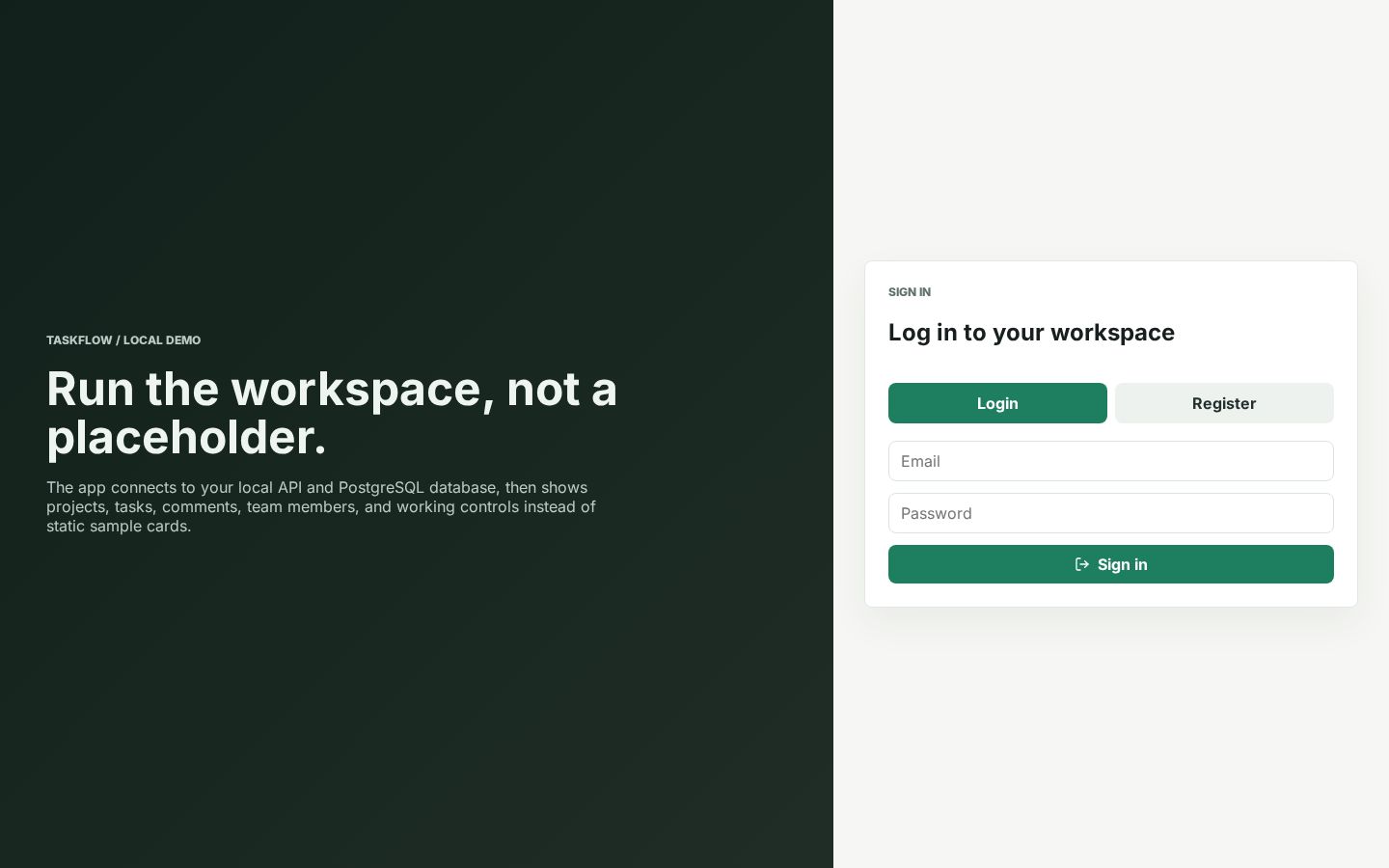
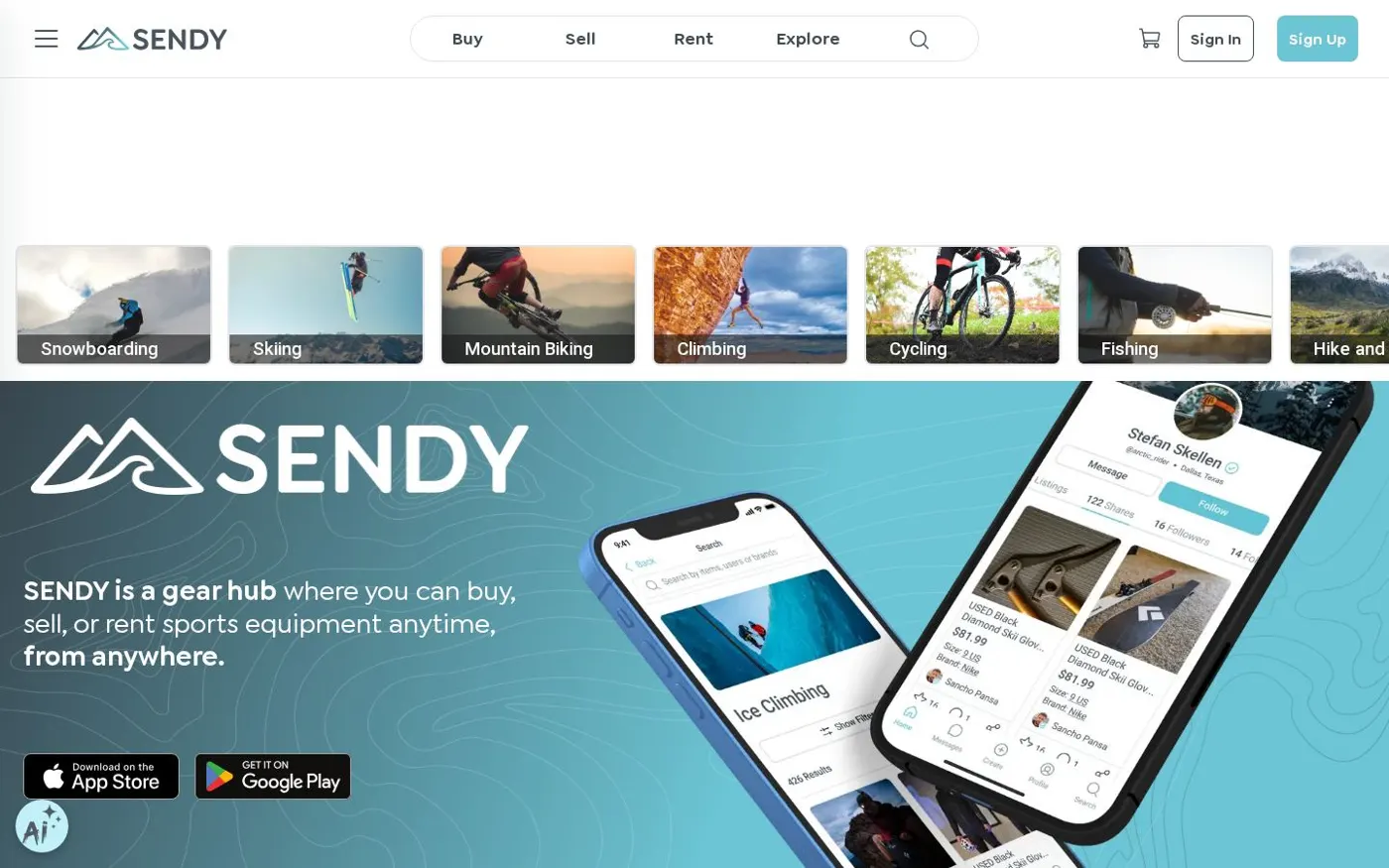
Technical approach
- →Model the data first — most long-term pain comes from a rushed schema.
- →Typed contracts between frontend and backend so changes don't silently break screens.
- →Server-rendered pages where SEO or first-load speed matters; client interactivity where it helps.
- →Automated deploys with separate preview and production environments.
Frequently asked questions
How long does a AI Prototype to Production project take?
It depends on scope. For AI Prototype to Production work, a focused fix or feature can take days, while a first production release usually takes a few weeks. You get a written estimate after a short discovery call.
Can you take over an existing codebase?
Yes. I start with a short review of the code, database and hosting, then list what to keep, fix or replace before writing new features.
Do you offer AI Prototype to Production services to US companies?
Yes. I deliver AI Prototype to Production projects remotely for startups and businesses in the United States and elsewhere, with overlapping hours for calls and written async updates.
Related services
Next.js Development
Fast, SEO-friendly React applications with server rendering — SaaS dashboards and content …
Python Backend Development
Scalable backend systems in Python — clean APIs, background jobs, caching and integrations…
Custom CRM / ERP
Operational software shaped around how your team actually works — pipelines, dashboards, p…
Stripe Integration
Payment engineering for SaaS and marketplaces — subscriptions, checkout, webhooks, custome…
Ready to start
your project?
Full-stack development. — tell me what you need and I'll reply with a clear next step for your project.